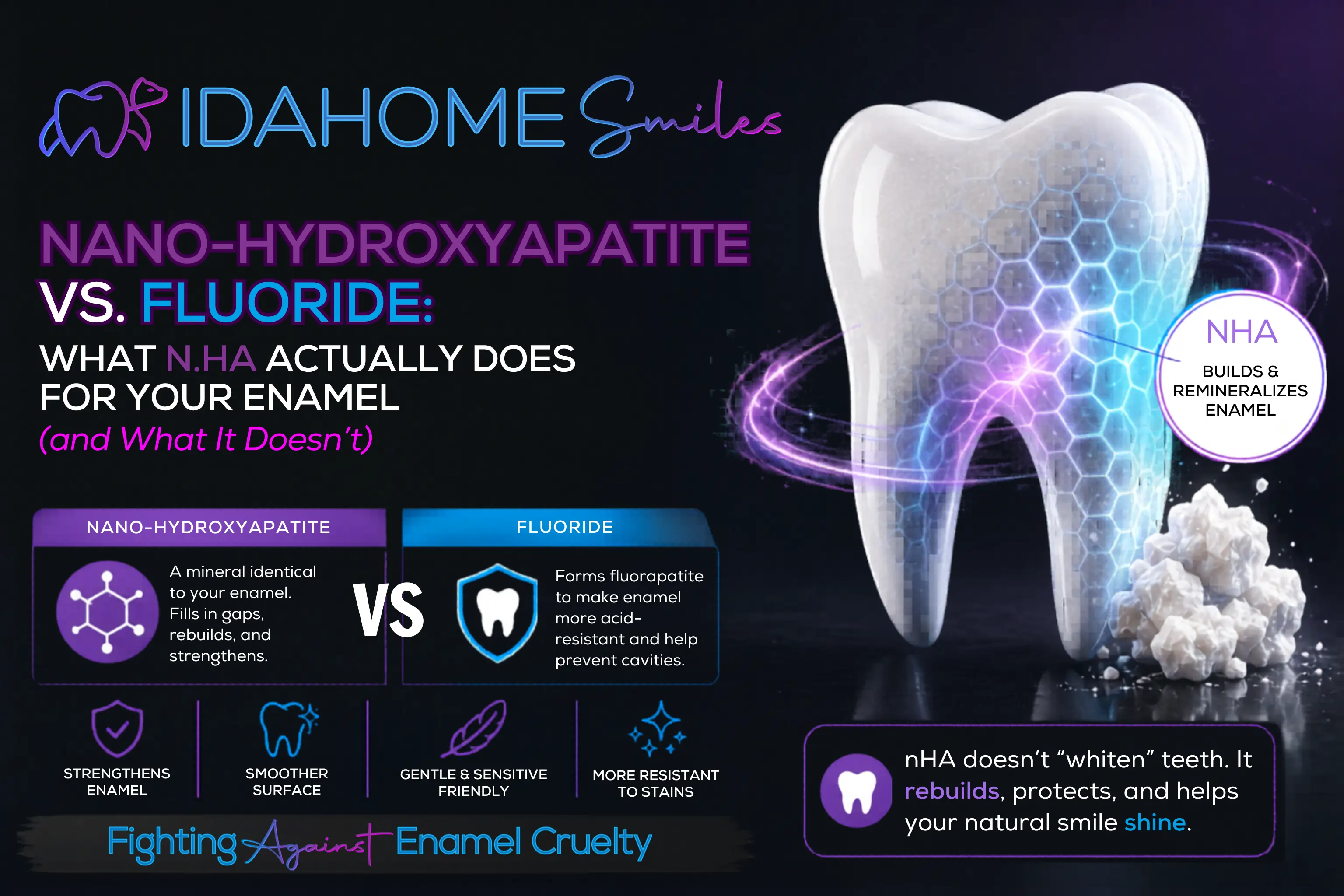
Introduction
If a sip of iced coffee or a bite of something sweet makes you wince, you’re far from alone. Teeth sensitivity is one of the most common dental complaints, and while it can be uncomfortable, it’s usually very manageable once you understand what’s behind it. Here’s a clear look at what causes sensitivity, simple habits that help, and how a gentle approach to whitening keeps comfort front and center.
What Causes Teeth Sensitivity
Sensitivity happens when the protective layers of a tooth are worn or the inner layers become exposed. The most common contributors include:
- Enamel wear. The hard outer layer of the tooth thins over time, often from acidic foods and drinks or aggressive brushing.
- Gum recession. When gums pull back, the more sensitive root area becomes exposed.
- Tooth decay or damage. Cavities and small cracks can expose the nerve-rich inner tooth.
- After dental procedures. Temporary sensitivity is common following cleanings, fillings, or whitening, and it typically fades on its own.
If your sensitivity is persistent, severe, or sudden, that’s a conversation for your dentist, it can occasionally signal something that needs professional attention. For the everyday, mild kind, the habits below go a long way.
Simple Habits That Help
- Brush gently with a soft-bristled brush. Hard scrubbing wears enamel and irritates gums. Let the brush do the work.
- Ease up on acidic foods and drinks. Coffee, soda, citrus, and wine soften enamel temporarily, give your mouth time before brushing after them.
- Stay hydrated. Water helps rinse away acids and food particles and supports healthy saliva flow.
- Consider a toothpaste made for sensitive teeth. Many people find these genuinely helpful for day-to-day comfort.
- Lean on tooth-friendly foods. Dairy (rich in calcium), fiber-rich fruits and vegetables, and water-rich foods all support a healthy mouth.
These are general wellness habits, not medical advice, but they’re the simple, low-cost things that make the biggest day-to-day difference for most people.
Will Whitening Itself Make My Teeth Sensitive?
It’s one of the most common questions before a first appointment, and a fair one. Here’s the honest answer: some people do notice mild, temporary sensitivity during or right after whitening, and some notice none at all. When it happens, it’s because the whitening process can briefly leave the enamel surface more reactive. It’s normal, it’s temporary, and it typically settles within a day or so.
A few things that help keep the experience comfortable:
- Choosing a gentle, lower-irritation whitening approach in the first place
- Easing up on very hot or cold foods and drinks for a day after
- Using a toothpaste made for sensitive teeth in the days around your appointment, if you’re prone to sensitivity
- Staying hydrated, which supports your mouth’s natural comfort
The short version: temporary sensitivity is a normal, manageable part of whitening for some people, not a reason to avoid it. If you have especially sensitive teeth and you’re unsure, just ask us, we’ll talk through whether and how whitening makes sense for you.
Whitening When You Have Sensitive Teeth
A lot of people with sensitive teeth assume whitening isn’t for them. It’s a fair worry, traditional high-strength peroxide treatments can feel intense. But a gentle approach changes the experience considerably.
At Idahome Smiles, comfort is built into how we work. Our Molar Bear Retreat is a calm, spa-style session, zero-gravity massage chairs, soft ambient music, a serene downtown Boise setting, using plant-based, light-activated whitening designed to be gentle. We’re Boise’s whitening spa built specifically with sensitive smiles in mind, and many of our clients tell us the experience felt far more comfortable than they expected. (Our before-and-after care guidance covers what to expect, including the normal, temporary sensitivity that can follow any whitening.)
If you’re unsure whether whitening is right for your teeth, just ask us, we’re always happy to talk through your situation and what would suit you best.
The Bottom Line
Teeth sensitivity is common, usually temporary, and very often manageable with a few simple habits. And it doesn’t have to keep you from a brighter smile, a gentle, thoughtful approach to whitening makes all the difference. If persistent sensitivity is bothering you, see your dentist; for everyday comfort and a brighter smile, we’d love to help.
Come visit us in historic downtown Boise, or explore our services to learn more.
Idahome Smiles, Fighting Against Enamel Cruelty