IDAHOME Smiles · The science behind your smile
Enamel care is not the same as whitening.
Nano-hydroxyapatite and fluoride both appear in oral-care conversations, but they are different from peroxide-based whitening. Here is what each does, what the research can—and cannot—tell us, and how to talk with your dental professional about your routine.
The quick answer
Fluoride toothpaste is the established choice for cavity prevention. Hydroxyapatite toothpastes are being studied, but the evidence does not establish that every formulation performs like fluoride. Neither ingredient is a substitute for peroxide-based whitening, which changes tooth color through a different process. [1] [2] [4]
Visual guide 01
Two ingredients. Different evidence.
Think of this as an evidence map, not a claim that one tube of toothpaste is right for everyone.
Established standard
Fluoride
Helps protect against tooth decay and supports remineralization of early enamel lesions. Fluoride-containing compounds are recognized active ingredients in U.S. over-the-counter anticavity toothpastes. [1] [3]
What it is not: a peroxide whitening treatment.
Emerging evidence
Nano-hydroxyapatite
A manufactured form of hydroxyapatite, the calcium-phosphate mineral that makes up much of enamel. Some studies of hydroxyapatite toothpastes are encouraging, but results depend on the specific product and study design. [2] [5]
What it is not: proof that all nHA toothpastes prevent cavities or bleach teeth.
Illustrated comparison for education. It does not represent a head-to-head test of products used at IDAHOME Smiles.
Visual guide 02
What the research actually supports
The practical takeaway: if cavity prevention is the goal, do not swap away from fluoride on the strength of a marketing claim alone. Ask your dentist or hygienist what fits your personal risk and preferences. [1] [2]
The distinction that matters
Enamel care ≠ shade change
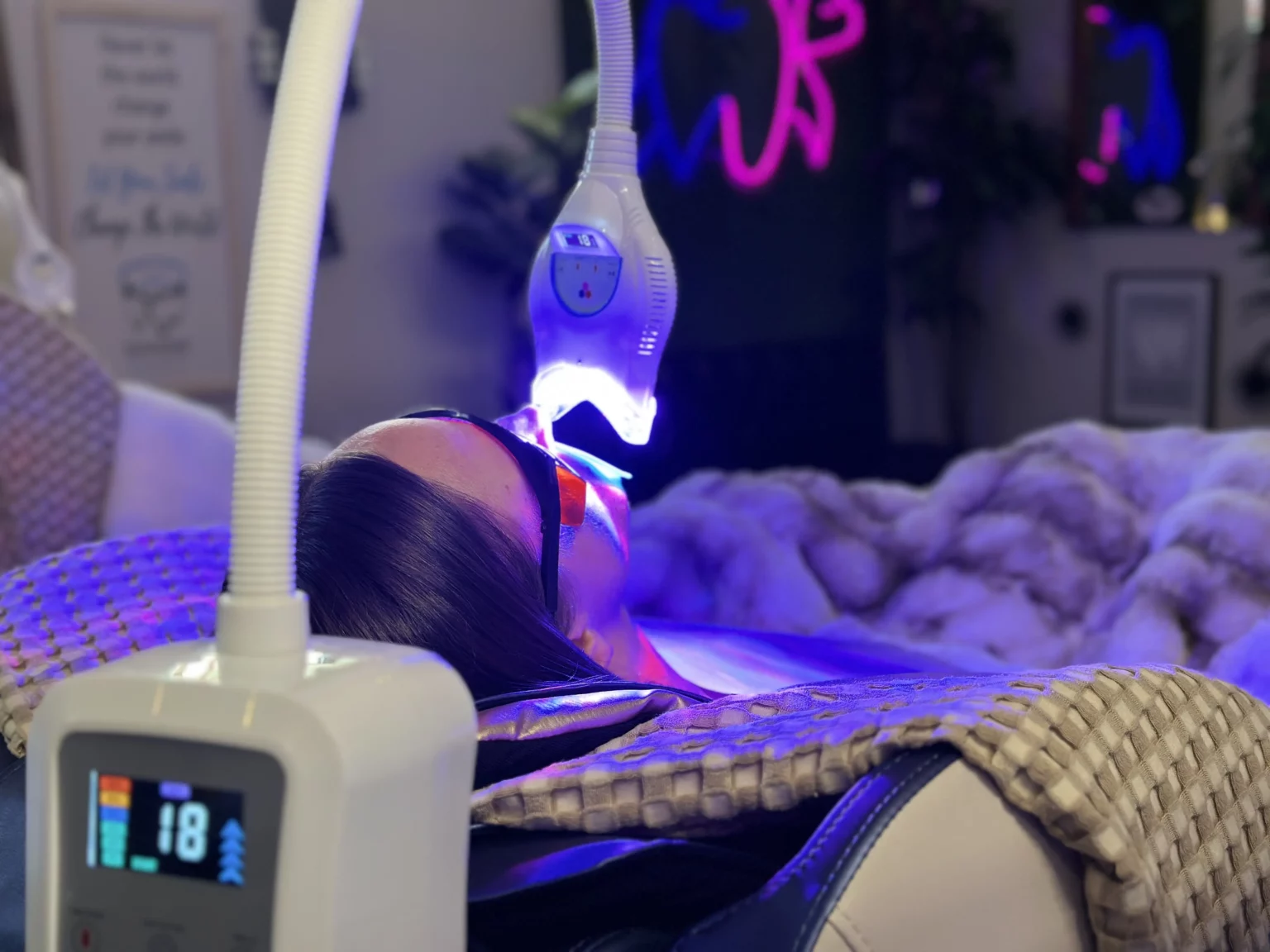
Fluoride and hydroxyapatite are discussed in the context of daily oral care. Peroxide-based whitening works through a different chemical process that can change the color of natural teeth. A toothpaste may remove some surface stains, but that is different from bleaching. Tooth-colored restorations such as crowns and fillings will not whiten the way natural teeth can. [4]
Whitening → realistic, individual results
What should you ask before choosing a toothpaste?
Your cavity risk
Past cavities, dry mouth, and exposed roots can change what your dental professional recommends.
The whole product
The label, concentration, directions, and overall formulation matter more than an ingredient name alone.
Your actual goal
Cavity prevention, sensitivity, surface stains, and a lighter shade are different questions.
Clear answers
Common questions
Does nano-hydroxyapatite whiten teeth?
It is not the peroxide-based bleaching ingredient used to change tooth shade. A toothpaste’s cleaning or surface effects should not be confused with a predictable multi-shade whitening result. [4]
Is hydroxyapatite toothpaste proven to be better than fluoride?
No broad claim like that is supported here. Individual hydroxyapatite trials have reported promising results, while reviews identify important evidence gaps. Fluoride remains the established standard for cavity prevention. [1] [2] [5]
Can either one rebuild a cavity?
Early mineral loss can sometimes be managed before a cavity forms, but a visible or suspected cavity needs an examination. Toothpaste is not a replacement for diagnosis or restorative care. [1]
Should I change my routine before whitening?
If you have sensitivity, dental work, suspected decay, or questions about ingredients, check with a licensed dental professional first. Whitening suitability and results vary. [4]
Sources & further reading
Linked primary guidance and published research. A study of one formula is not a promise about another product.
- American Dental Association — Toothpastes (updated 2026). Fluoride, anticavity ingredients, and guidance for children.
- Wierichs et al. — Systematic review and meta-analysis of nHA (2022). Discusses clinical evidence limits and risk of bias.
- U.S. FDA regulation, 21 CFR Part 355 — OTC anticaries drug products. Lists permitted fluoride active ingredients and labeling requirements.
- American Dental Association — Whitening. Distinguishes surface stains, bleaching, and patient considerations.
- Paszynska et al. — 18-month randomized trial in adults (2023). A specific hydroxyapatite toothpaste compared with 1450-ppm fluoride; interpret alongside broader reviews.
Educational information only. IDAHOME Smiles provides cosmetic whitening services; your dentist or hygienist is the right person to advise on cavities, enamel concerns, sensitivity, and toothpaste choice. This article does not describe the performance of a specific IDAHOME Smiles product.