Stains Happen. Smart Care Matters.
Coffee mornings. Afternoon tea. The occasional glass of red wine. Everyday life can leave visible marks on your smile—but not every viral whitening trick deserves a place in your bathroom. Here's what actually helps manage surface stains, and what to skip.
Not all discoloration sits on the surface.
Before selecting a whitening method, it helps to understand the difference between external staining and changes to the tooth's underlying color.
Stains on the outer surface
External stains can accumulate from coffee, tea, red wine, tobacco, and other pigments. Appropriate brushing and certain whitening toothpastes can reduce some surface stains. Professional dental cleaning can also help.
Color changes within the tooth
Tooth development, aging, trauma, and other factors can affect internal color. Ordinary scrubbing cannot reliably remove these changes. A dentist can investigate the cause and discuss options.
Important: A single tooth that suddenly darkens, new white or brown spots, pain, or unexplained discoloration should be evaluated by a dentist. These are not reasons to experiment with home scrubs.
Three sensible steps for everyday stain management.
Brush consistently
Brush twice a day for two minutes using a soft-bristled toothbrush and fluoride toothpaste. A formulated whitening toothpaste may help remove external stains.
Floss every day
Clean between your teeth daily to help manage plaque and debris. Flossing is an oral-hygiene habit, not a method for bleaching natural tooth color.
Manage repeated exposure
Coffee, tea, and other dark beverages can contribute to external stains. Drinking water afterward is a simple habit, although it cannot guarantee prevention of discoloration.
Choose evaluated products: The ADA Seal of Acceptance can help identify oral-care products that have met relevant safety and effectiveness requirements when used as directed.
The difference between polishing and bleaching.
Toothpaste designed for surface-stain removal generally works through controlled cleaning and polishing. Peroxide bleaching works through chemical reactions that can change the shade of natural teeth.
This distinction helps explain why someone can brush consistently yet still have naturally yellow-toned teeth—or why a whitening toothpaste may not reproduce the effect of a bleaching treatment.
Six popular methods. Six evidence-based verdicts.
Tap any method to reveal what the evidence supports and why some home remedies aren't worth trying.
Whitening toothpaste: Does it remove stains?
Many whitening toothpastes use appropriately formulated cleaning and polishing ingredients to reduce external stains. Look for the ADA Seal of Acceptance, and remember that brushing harder does not make whitening better.
Baking soda: Useful ingredient or risky scrub?
Baking-soda toothpastes have research supporting surface-stain removal. That is different from recommending homemade baking-soda powders or aggressive scrubbing. Use properly formulated dental products rather than improvising abrasive mixtures.
Activated charcoal: Is black powder better?
Evidence supporting charcoal for safe, effective whitening remains insufficient. Abrasive charcoal-based methods may contribute to tooth wear. Darker toothpaste does not automatically mean a brighter result.
Lemon juice or vinegar: Natural whitening?
Acidic household ingredients can contribute to erosion of tooth enamel. Do not use concentrated lemon juice, vinegar, or acidic mixtures as tooth-whitening treatments. Natural does not automatically mean tooth-friendly.
Coconut oil pulling: Does it whiten teeth?
Reliable evidence that oil pulling produces meaningful whitening is lacking. It should not replace brushing with fluoride toothpaste, flossing, or regular dental care.
Whitening strips: Can at-home bleaching work?
Some appropriately formulated peroxide whitening strips can lighten natural teeth. This is cosmetic bleaching, not simply surface-stain polishing. Follow product directions, consider individual suitability, and remember that sensitivity and gum irritation are possible. Consult a dentist about dental-health concerns.
This interactive guide provides general education, not an individual dental assessment.
Which approach fits which goal?
| Option | Primary goal | Consideration |
|---|---|---|
| Regular toothpaste | Daily hygiene and removal of everyday buildup | Does not bleach the underlying tooth shade |
| Whitening toothpaste | Reduction of some external stains | Look for appropriately evaluated products |
| Professional dental cleaning | Removal of deposits and certain surface stains | Performed by dental professionals; not cosmetic bleaching |
| Peroxide whitening strips | Cosmetic bleaching of natural teeth | Results and sensitivity vary |
| In-studio cosmetic whitening | Changing natural tooth appearance | Not a substitute for dental examination or treatment |
Why more scrubbing isn't better.
Abrasive household mixtures and acidic recipes can create unnecessary risks without reliably whitening teeth. A brighter-looking result should not come at the cost of damaging tooth surfaces.
Choose ordinary dental care.
Use a soft toothbrush, fluoride toothpaste, dental floss, and appropriate commercially formulated products. Ask your dentist about persistent staining.
Skip harsh DIY experiments.
Avoid lemon-and-salt scrubs, vinegar rinses promoted for whitening, unmeasured peroxide mixtures, and aggressive charcoal powders used as polish.
Need more guidance? Learn which everyday foods and drinks contribute to stains , or explore our daily whitening maintenance guide .
When is a dental appointment the better next step?
If stains remain despite consistent oral care, a professional dental cleaning may help with certain types of external discoloration. A dentist can also identify other reasons for tooth color differences.
Seek dental evaluation for a newly darkened tooth, unusual spots, persistent sensitivity, pain, or discoloration following an injury. Whitening cannot diagnose or resolve an underlying dental condition.
Frequently asked questions about surface stains.
Can surface stains be removed at home?
Some external stains can be reduced through regular brushing and appropriately formulated whitening toothpaste. Stubborn stains may need professional dental cleaning.
How do you remove coffee stains from teeth?
Consistent oral hygiene and a suitable stain-removing toothpaste may help. A dentist or dental hygienist can evaluate stains that remain.
Is baking soda safe for teeth whitening?
Appropriately formulated baking-soda toothpastes have evidence supporting stain removal. That is not an endorsement of abrasive homemade whitening scrubs.
Does charcoal toothpaste whiten teeth?
Reliable evidence supporting charcoal-based whitening with adequate safety is limited. Abrasive products may contribute to tooth wear.
Can lemon juice remove tooth stains?
Do not use lemon juice to whiten teeth. Repeated acidic exposure may contribute to enamel erosion.
Can whitening toothpaste change my natural tooth shade?
Most whitening toothpastes primarily target external stains. Some contain bleaching ingredients, but ordinary polishing is different from peroxide-based bleaching.
What's the difference between stain removal and whitening?
Surface-stain removal targets deposits on the outside of a tooth. Cosmetic bleaching can change the color of natural teeth through chemical action.
Are at-home whitening strips effective?
Some appropriately formulated peroxide strips can lighten natural teeth. Effectiveness and potential irritation vary by product and individual circumstances.
Thoughtful whitening. A little time for yourself.
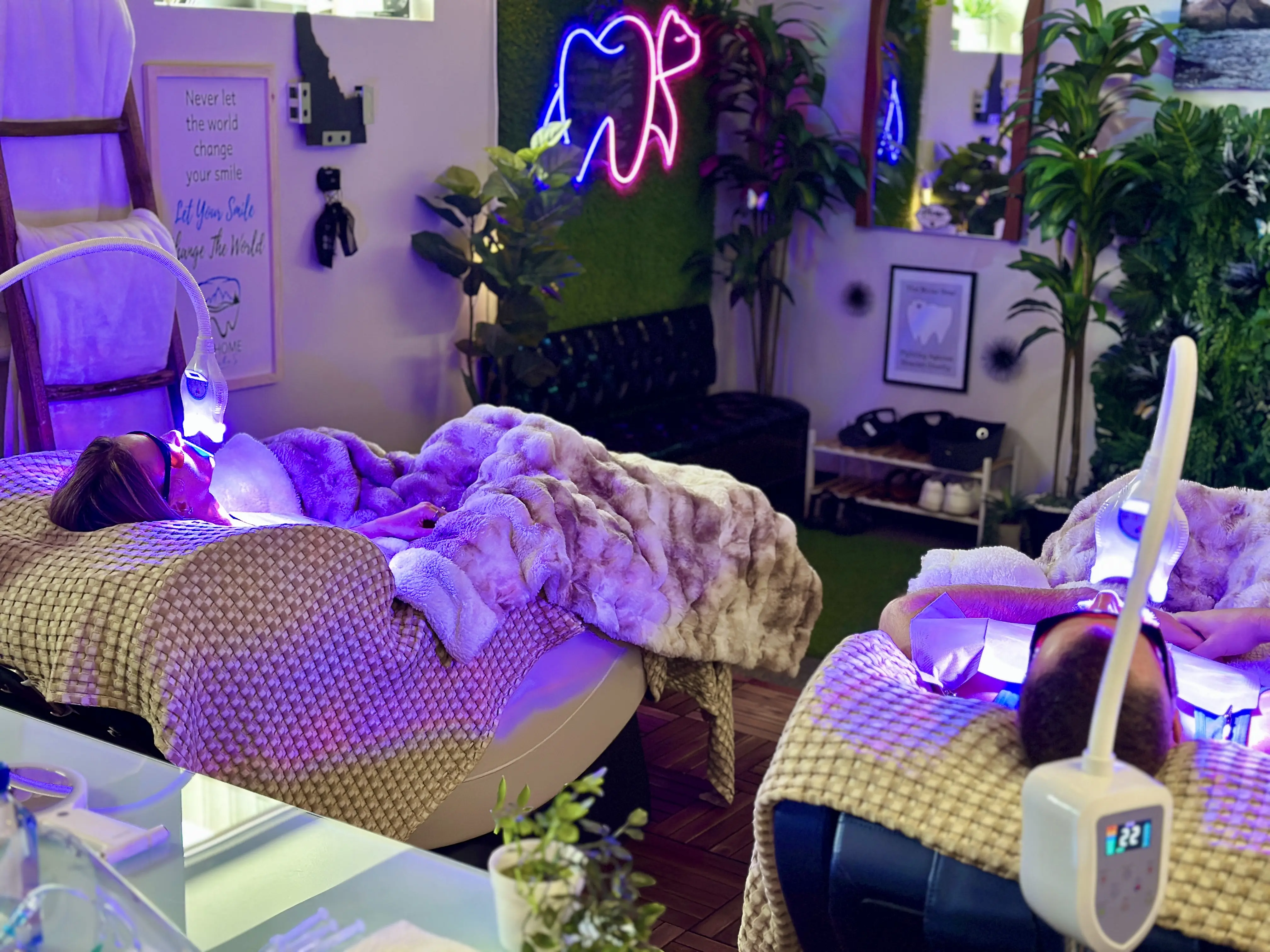
If you're considering a cosmetic smile refresh, discover our private, spa-inspired whitening studio. Relax in a zero-gravity massage chair with calming music and ambient lighting while enjoying an experience designed to help you unwind.
IDAHOME Smiles provides cosmetic whitening, not dental cleaning, diagnosis, or treatment. Individual results vary.
Evidence behind the Smile Lab.
- American Dental Association. Whitening — Oral Health Topics . Surface and intrinsic stains, bleaching methods, and DIY whitening considerations.
- American Dental Association, MouthHealthy. Natural Teeth Whitening . Household whitening myths and everyday oral-care habits.
- Li Y. (2017). Stain removal and whitening by baking soda dentifrice: A review of literature . Evidence concerning formulated baking-soda toothpastes.
- American Dental Association, MouthHealthy. Do-It-Yourself Dentistry . Safety considerations for home dental trends.
- IDAHOME Smiles. Before & After Care . Our current cosmetic whitening guidance.
This guide offers general educational information, not individualized dental advice or a diagnosis. Consult a licensed dental professional for persistent staining, pain, or other oral-health concerns.
IDAHOME Smiles · Historic Downtown Boise, Idaho
Fighting Against Enamel Cruelty